An archive of Black Puerto Rico built only from what institutions kept would repeat the silence it exists to correct. So we opened the door.
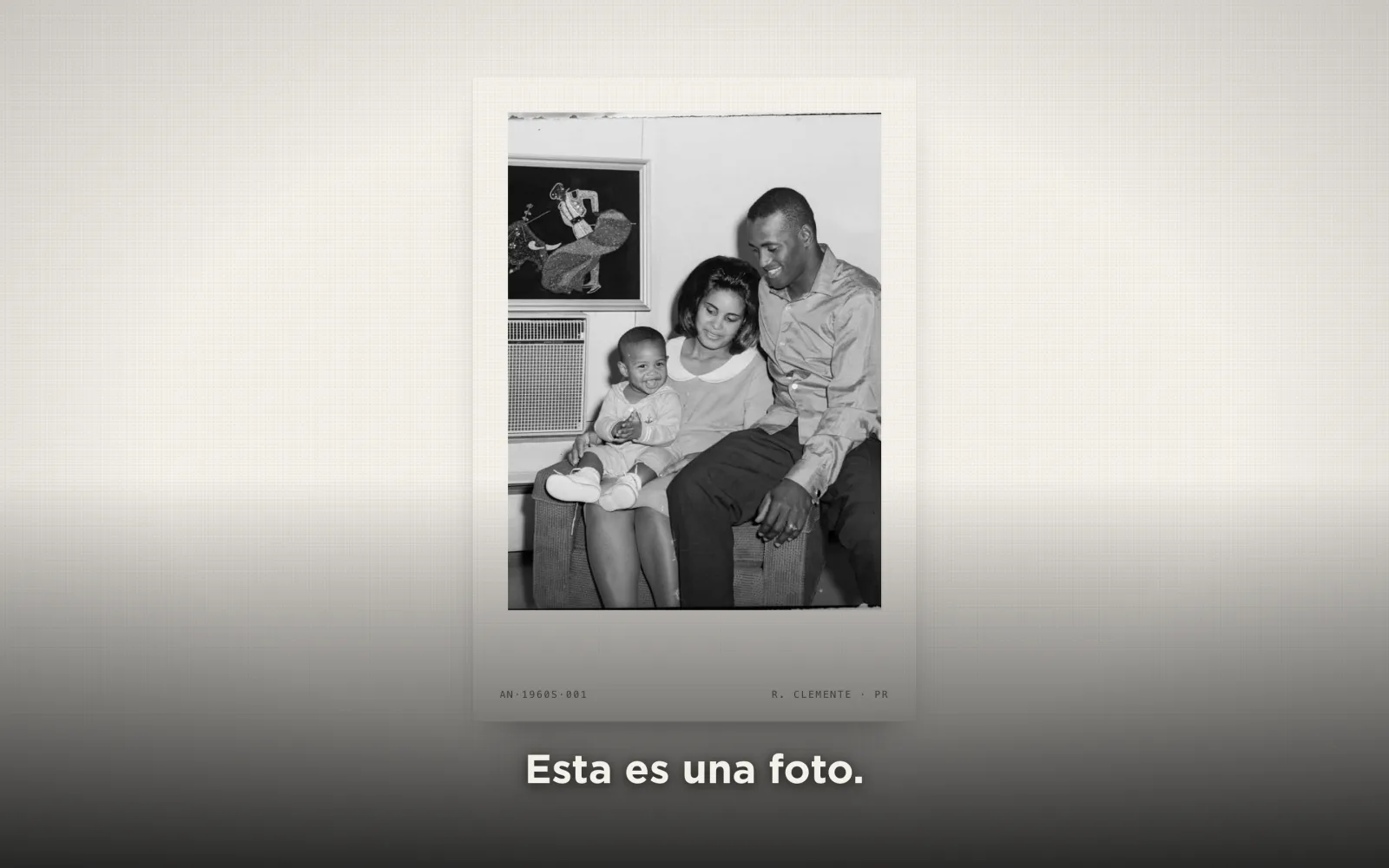
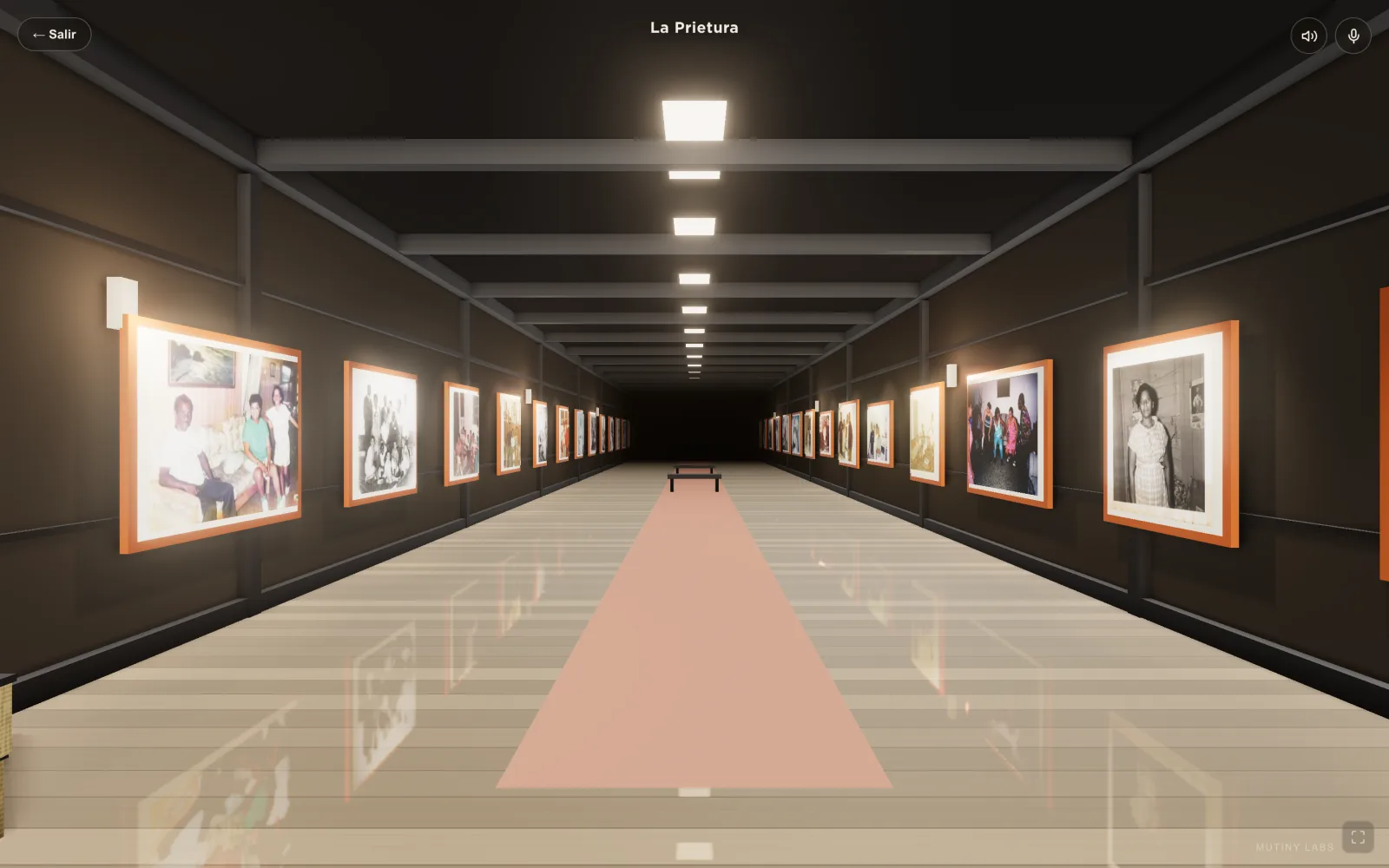
Archivo Negro preserves the visual memory of Black Puerto Rico. Much of that memory never reached an institution: it lives in family albums, shoeboxes and church basements. Por la Comunidad is the archive's front door for those images, a contribution experience where anyone can offer photographs and documents directly to the collection. It completes the ecosystem we started with archivonegro.org in 2023, alongside El Archivo Vivo and UTM Studio, and feeds the Colecciones por la Comunidad shelf on the main site.
Inviting the public into an archive is easy to do badly. The flow had to welcome someone scanning their grandmother's photos on a phone, capture archival-grade metadata without feeling like a government form, handle rights and consent honestly in plain language, resist automated abuse, and guarantee that nothing reaches the public collection without an archivist's eyes on it first.
We designed the contribution flow as an act of trust in both directions. The contributor trusts the archive with family memory, so the interface treats every image with museum care: a cinematic introduction, per-file metadata that reads as storytelling, and rights language a person can actually understand. The archive trusts the community to contribute, so the system protects editorial integrity structurally: signed uploads, abuse protection, and a moderation queue that guarantees a human decision before anything joins the public collection.
The experience opens as a short cinematic introduction to what the archive collects and why it matters, then hands off to the contribution flow. Contributors arrive understanding the mission, not just the upload button.
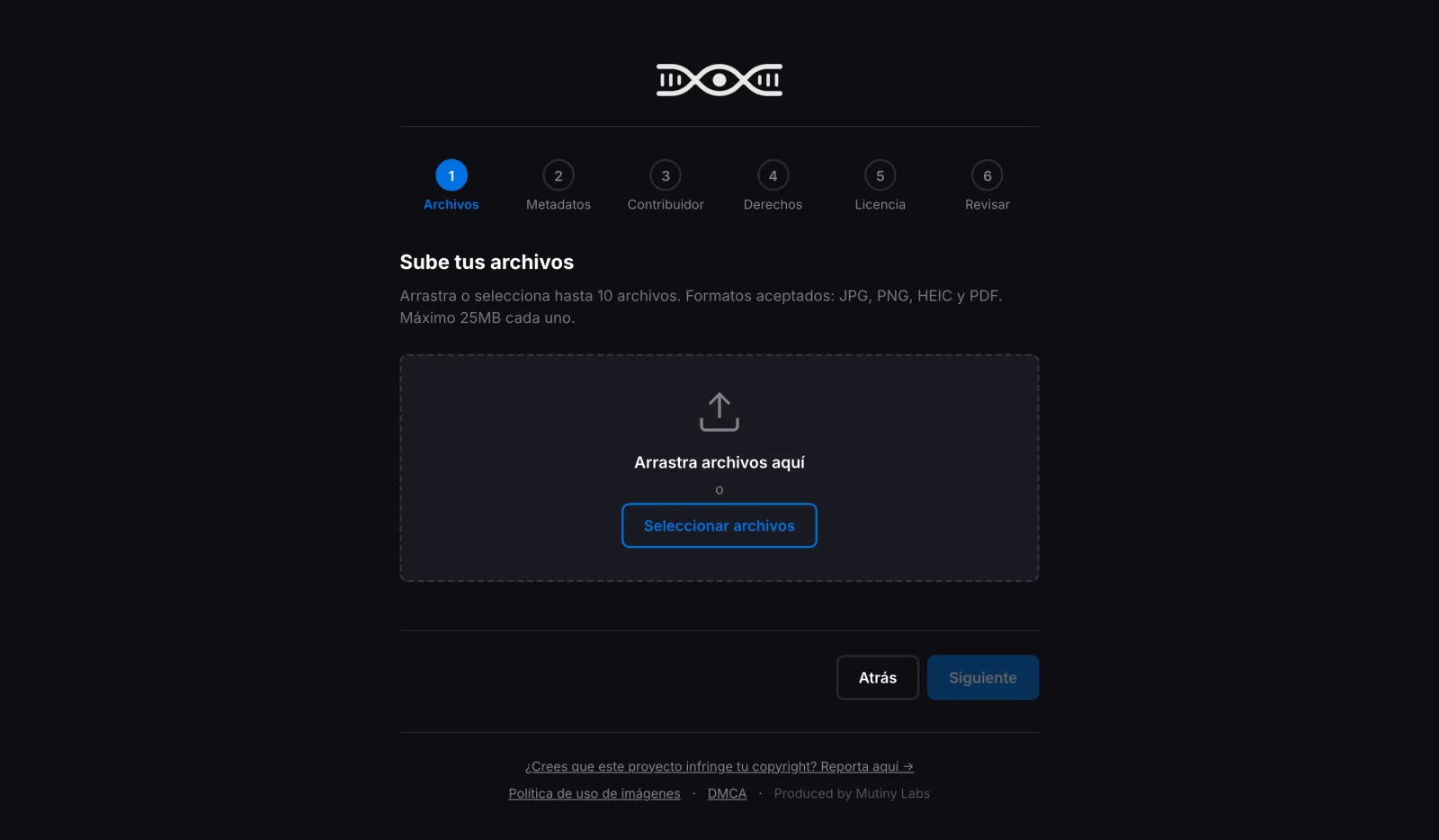
Archivos, metadata per file, contributor, rights, license and review. Up to ten photographs or documents per submission, each carrying its own title, date, place and the people in it.
Every submission lands in an editorial moderation queue with a reference ID. Archivists review, enrich and promote pieces to the public galleries. The community contributes; the archive curates.
The flow explains possession versus copyright, walks contributors through an honest rights claim, and applies a clear non-commercial license policy at the moment of consent.
Files travel directly to the delivery network through signed uploads, an anti-abuse challenge keeps automated junk out, a dropped connection recovers the draft, and the whole flow works in Spanish and English with full keyboard and screen-reader support.
under the hood: Embedded web widget in vanilla TypeScript, signed direct-to-CDN media uploads, serverless API layer, editorial review workspace integration, bilingual delivery, WCAG 2.1 AA
We reply personally. A senior partner, not a sales pod. We'll tell you straight whether we can help.